Mold Odor Removal in Covington, LA
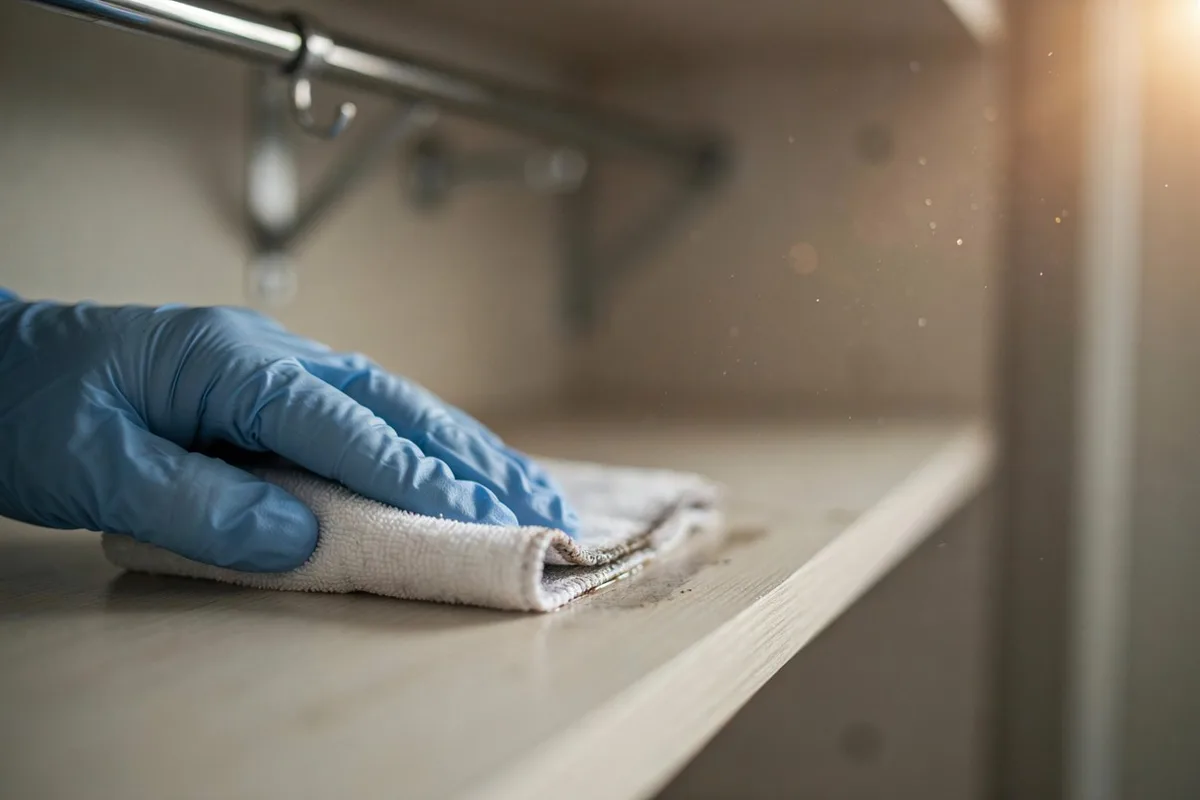
The house is eight years old and looks it: clean paint, no stains, nothing dripping. And the guest closet smells like a wet tent. Or the bedroom on the north side is fine in the morning and musty by evening. Or the whole house has a smell for the first ten minutes after the air handler starts. That musty closet deserves attention. Call and tell us where the smell is strongest — we find and remove the growth behind a musty smell in Covington, Mandeville, and the Northshore.
What the smell is telling you
Mold gives off gases as it grows, and that earthy, wet-cardboard odor is a recognized sign of hidden growth — health departments list it next to staining and past water damage as the things to look for. Smell that lives in one room means the source is close to that room: the back of the drywall, under the carpet pad, a wall cavity with a sweating pipe in it, the duct feeding that room. In a tight, newer house the smell also has nowhere to go, which is why a small source can make a whole closet unpleasant.
One damp room can be the clue
- A persistent musty closet is describing moisture in that part of the house — a plumbing wall, an outside corner, an attic above it — not the closet.
- One closet or bedroom stays mustier than the rest when something near it stays wet: a sweating supply line, a window that condenses, a bath fan that vents into the ceiling.
- Newer Northshore homes still face ordinary mold risks; the build year says nothing about the leak history.
- Tight, air-conditioned homes still have to manage moisture, and a sealed house keeps a smell in as well as it keeps heat out.
Tell Us Where You Smell It, 24/7
Why sprays and plug-ins don’t fix it
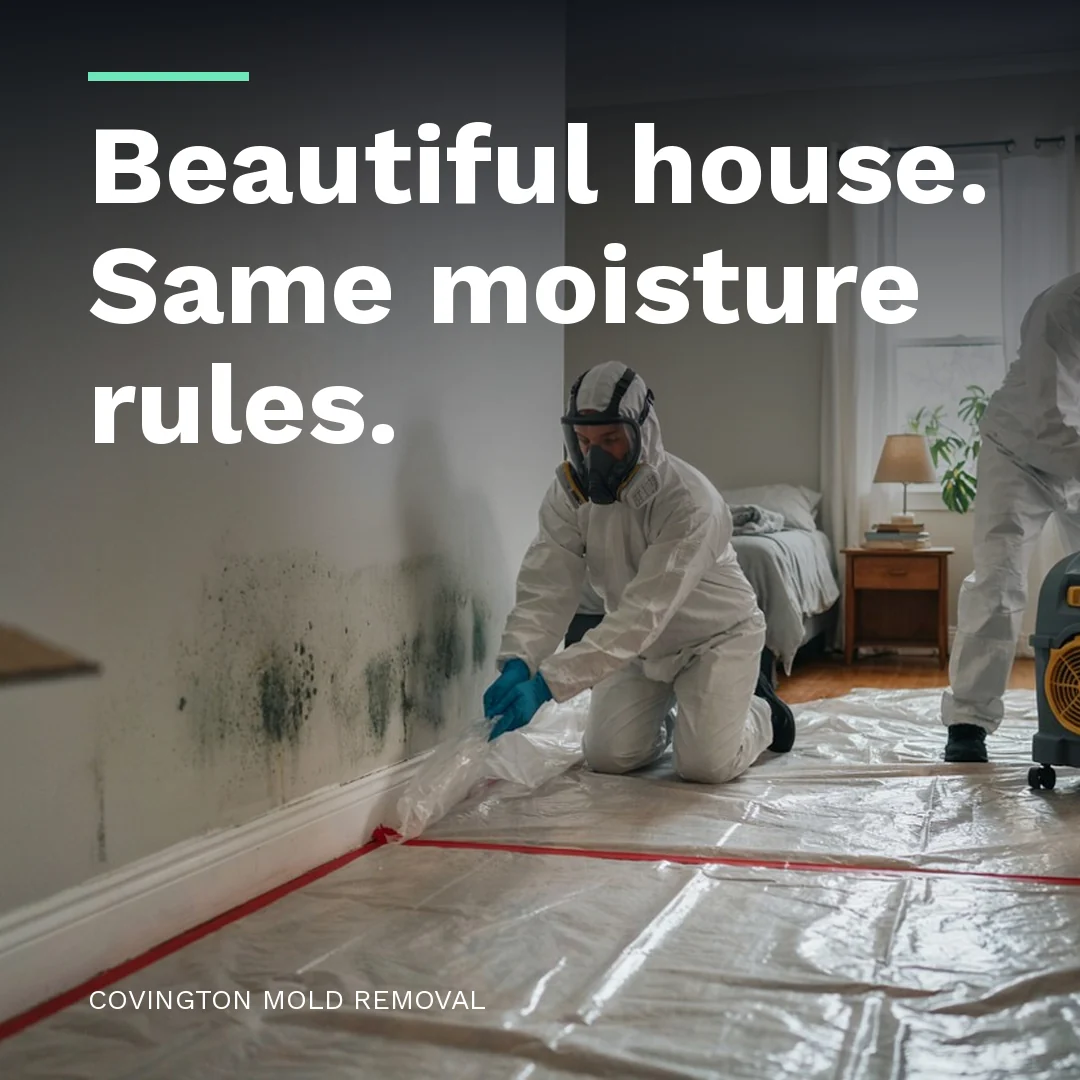
Odor sprays, candles, and the plug-in gadgets cover the smell or wear your nose out on it. The growth behind the wall keeps going. Odor removal that lasts means locating the moldy material, removing it, cleaning the cavity it was in, and stopping the water that fed it. That is what we mean by mold odor removal, and it is the only version we do.
What to expect
We start in the room where the smell is strongest, take moisture readings on the likely surfaces, and open only what the readings justify. If it turns out to be the system, the job becomes HVAC and duct mold remediation. If it’s under the floor of a raised house in Old Mandeville, it’s crawl space work. Either way you find out what was making the smell, and it leaves the house.